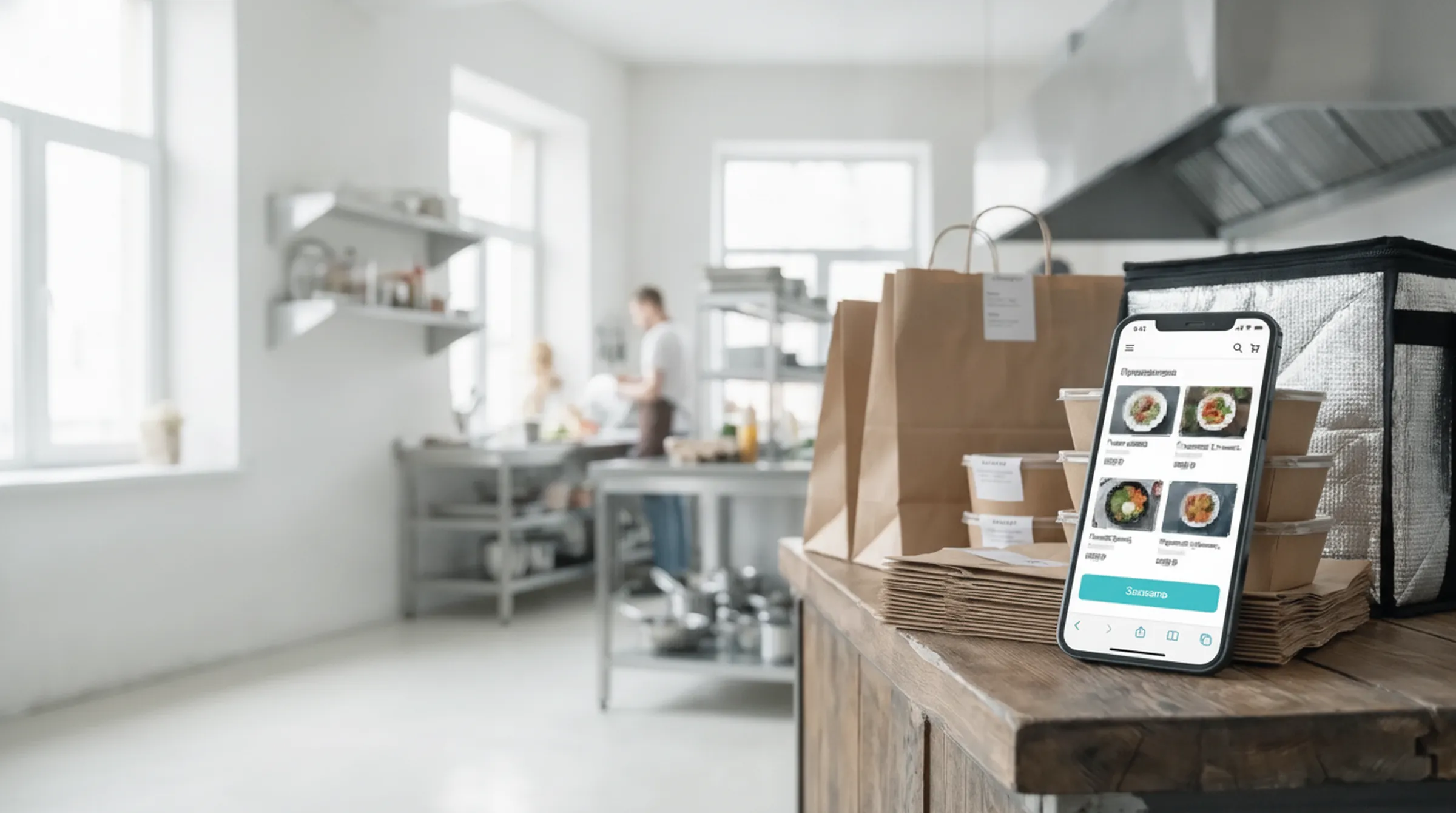
Checkout speed. A delivery customer compares your site with a marketplace app where an order takes a minute. If your site makes them register, fill in a lot of fields or wait for the menu to load, they’ll go back to the app. So we build checkout on a single screen, with address autocomplete and sign-in by phone number.
The link to the kitchen. A site that sends orders to an email inbox creates manual work and mistakes. An integration with your POS sends the contents of the order with modifiers, the address, the payment method and the delivery time straight to the kitchen and the driver. The 86 list and prices update on the site automatically.
Compliance. Menus need accurate allergen information, which is a legal requirement for food businesses in the UK and EU and something customers everywhere rely on. Order forms collect personal data, so you need a privacy policy and, in the EU and UK, consent under GDPR; in California, notices under CCPA. Marketing texts require prior consent from the customer. The site should also show the seller’s legal details and your delivery and refund terms.
Promotion. A delivery site gets orders from searches such as “sushi delivery” plus a neighborhood name, and from maps and social media. We build category pages and location pages for those searches. After development, we launch the channels as part of marketing for restaurants and delivery.