In beauty, the client buys a result she can see. That is why a salon’s main content isn’t copy about “care and beauty” but photographs of work, attached to the treatment and the stylist. We design templates so the portfolio appears next to the service and the front desk can add new work without a developer.
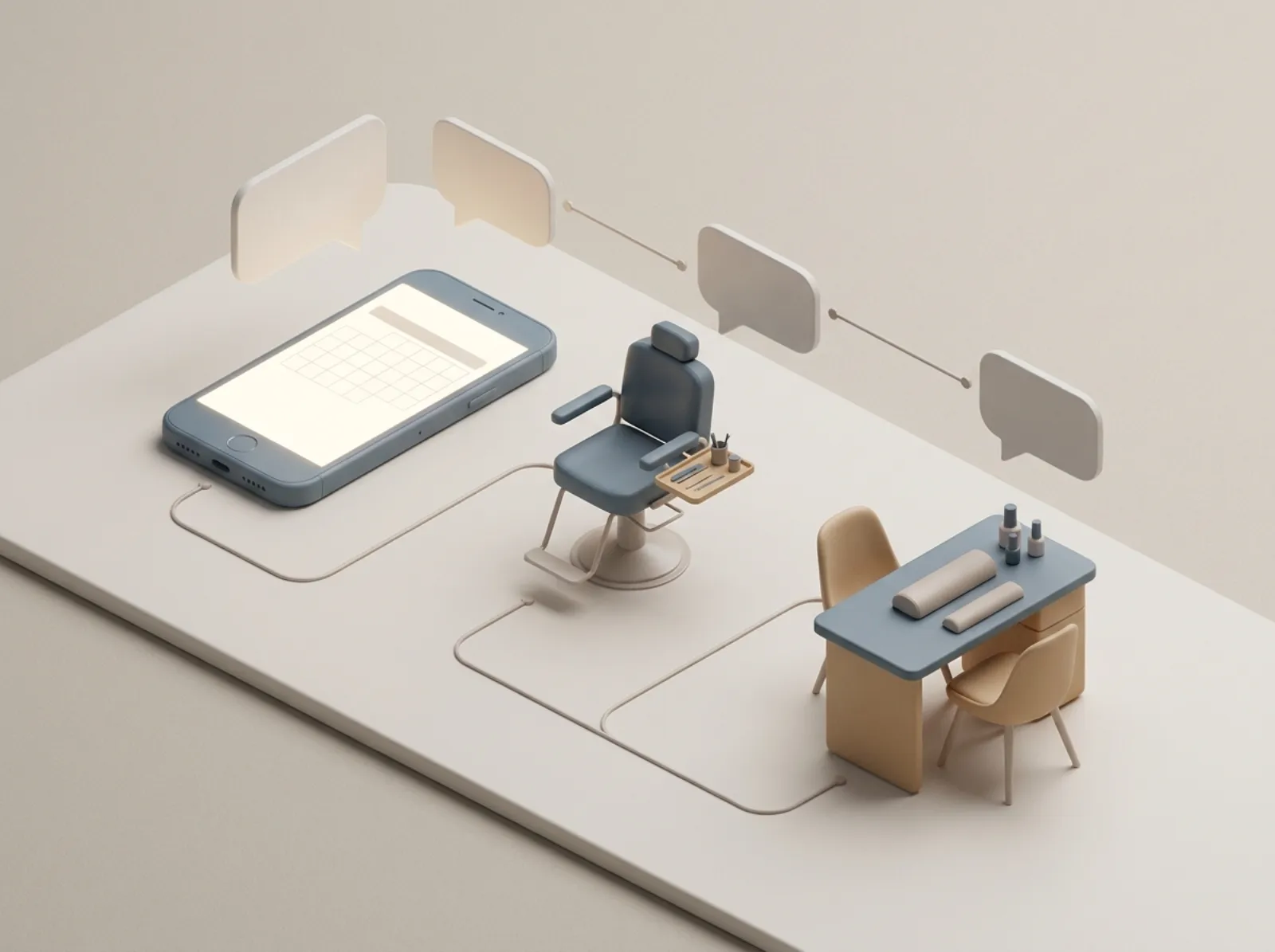
The second feature is visit frequency. Manicures, brow shaping and root color repeat every few weeks. The site should work for retention: reminders for touch-ups, a client account with visit history, packages and treatment series. For that the site is connected to your booking system rather than living on its own.
The third is the line between cosmetic and medical. A website for an esthetician differs from a barbershop’s: injectables, device-based treatments and medium-depth peels need qualified, licensed providers, and advertising them needs clear disclaimers. Rules on advertising such treatments are strict, and in the UK prescription-only treatments can’t be advertised to the public. Ad platforms also limit before-and-after imagery for some procedures. When this is built into the structure, you can run Google Ads without having ads rejected.
The fourth is locality. A client searches for a salon near home or work, so location pages, an exact address, landmarks and consistent data in your listings bring more bookings than general copy. For a group of salons we build a separate page for each address with that location’s stylists and hours.