CRM for restaurants that brings guests back

Your POS knows what was sold, but not who bought it or when they’ll be back. A CRM for a restaurant gathers guests into one database: reservations, private-event inquiries, delivery orders, loyalty visits. From there the system reminds lapsed guests that you exist and helps you sell private events as systematically as a B2B team sells contracts.

Reply within 15 minutes · project assessment — free · pricing on request

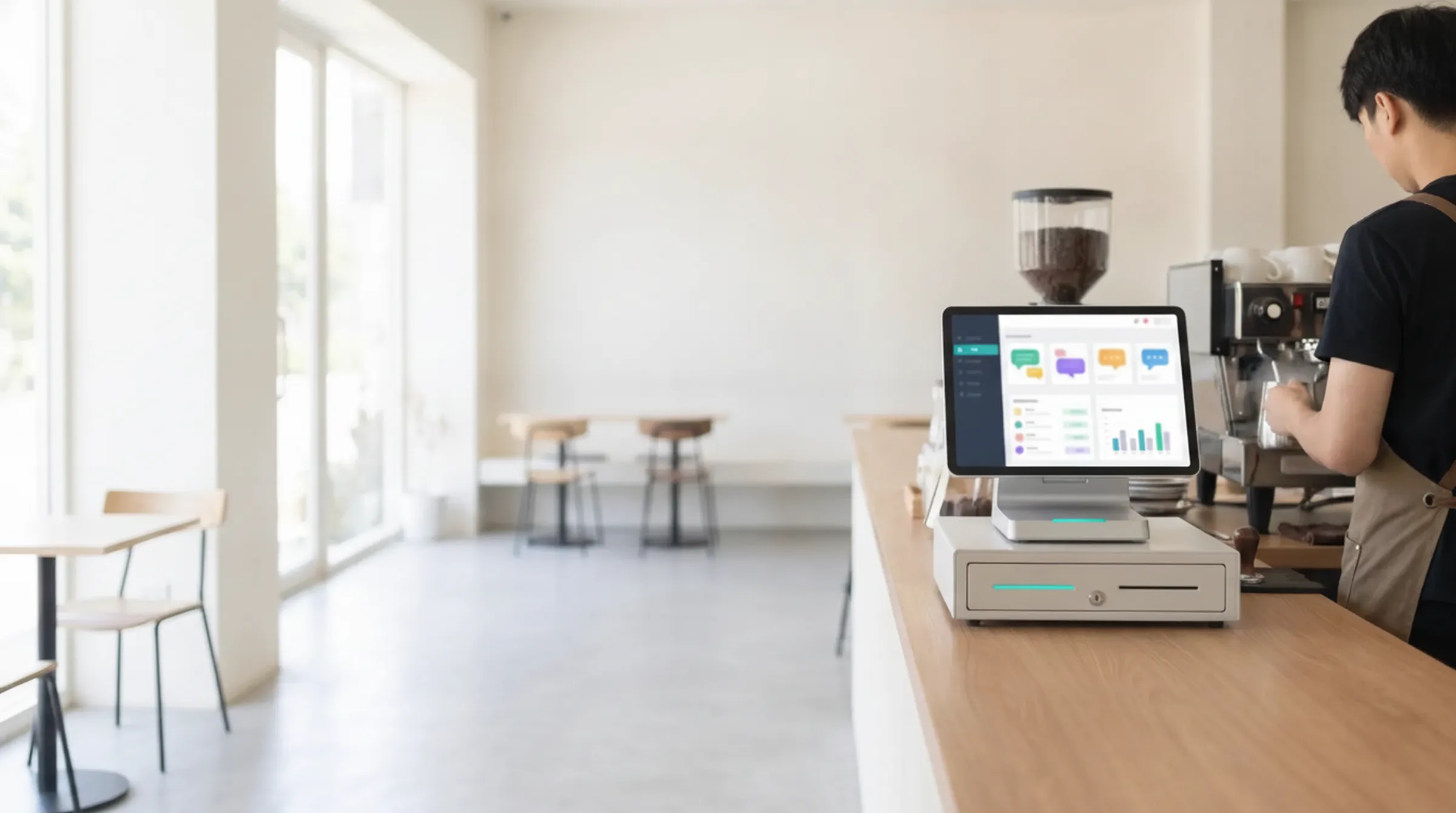
Cafe counter with a POS terminal and a tablet showing a CRM dashboard with a guest loyalty program, a barista making coffee

A CRM for restaurants is a guest and sales management system that links the POS, reservations, delivery and the loyalty program. It shows who your regulars are, how often they visit and what they spend, which event inquiries need a callback and which guests are due a win-back message. We choose the system, connect it to Toast, Square, Lightspeed or your current POS and set up the flows.

Where a restaurant loses guests and revenue

Situations that restaurants, cafes and coffee shops bring to us. A POS and a reservation book don’t solve them.

“A guest has been in five times and we still don’t know their name”

A regular drifts to the new place down the street, and nobody notices until sales slip.

A loyalty program tied to the POS: every visit and check is attached to a guest. If a regular goes quiet, a personal offer goes out. You see who stopped coming, not just how much was sold.

“Private-event inquiries get lost between phone calls, DMs and email”

A private event is often the biggest ticket you sell, and nobody carried the wedding or corporate dinner through to a deposit.

A separate events pipeline: inquiry, menu quote, tasting, deposit, event day. The events manager gets tasks and deadlines, and the owner gets a report.

“We send the same promo to everyone”

Guests unsubscribe, and those who would have wanted the offer miss it in the noise.

Behavioral segments: brunch regulars, delivery customers, families, birthdays. Each group gets its own offer.

“Coffee shop: loyalty cards are on paper or inside someone else’s app”

The guest list belongs to a third party, and you can’t reach your customers directly.

A digital card in Apple Wallet and Google Wallet, the guest base in your CRM, and points earned through the POS.

What we set up in a restaurant CRM

The scope depends on the format: a neighborhood coffee shop, a restaurant with a private dining room and a delivery chain each need different modules.

One guest database

A guest profile with visits, checks, favorite dishes, reservations, delivery orders and birthdays. Data comes from the POS, website, app and reservation tool.

Loyalty program

Points, discounts or cashback, tiers for regulars and a digital card. Earning and redeeming happen at the POS without manual entry.

Table reservations

Reservations from your website, Google Maps and the phone on one floor plan. Confirmation to the guest, a reminder and a no-show list.

Private events pipeline

Inquiries for weddings, birthdays and corporate dinners. Quoting, menu approval, deposit and reminders for the events manager.

Win-back flows

Automated messages: haven’t visited in a while, birthday, a new seasonal menu, a review request after the visit.

Reviews and service recovery

A survey after a visit or delivery. Happy guests are sent to leave a review; unhappy ones reach the manager before they post publicly.

Reports for the manager

Visit frequency, guest churn, revenue from regulars versus first-timers, and how well promos and campaigns perform.

Integrations a restaurant needs

A CRM has to see every check, so we start with the POS already running in your venue.

POS systems

Toast, Square, Lightspeed, Clover and similar: checks, guests and loyalty points earned right at the terminal.

Reservations

OpenTable, Resy, Tock, SevenRooms and other booking tools, plus the reservation widget on your website and Google profile.

Delivery and online ordering

Your own ordering site or app, plus marketplaces such as DoorDash and Uber Eats. Orders are matched to the guest profile where the platform shares the data.

Loyalty

Toast Loyalty, Square Loyalty, Paytronix, Punchh and similar services: we connect your current program or migrate the base.

Messaging and email

SMS, email platforms such as Mailchimp or Klaviyo, WhatsApp Business where guests use it, and wallet passes for personal offers.

General-purpose CRM for events

HubSpot, Pipedrive or Zoho CRM when the venue has a private dining room and an events sales team.

Free project estimate and quote

Leave your contact — we'll review the task and send a quote with a scope breakdown and timelines. No pushy sales call.

Thank you! Request received — we'll get back with the estimate and quote within one business day.

The guest journey: from first visit to regular

A CRM matters wherever a guest can walk away. We build a flow for each step.

Step 01

First visit

The guest came in from Google Maps, a recommendation or a reservation. The goal is to get to know them: offer a loyalty card or sign-up at payment.

Step 02

Second visit

The step that matters most. A few days after the first visit, the guest gets a reason to return: a reward, a new dish, an event.

Step 03

Regular guest

Loyalty tiers, personal offers based on favorite items, priority when booking.

Step 04

Occasions and events

A birthday, an anniversary, a team dinner. The guest receives an offer for a private event well in advance.

Step 05

Risk of churn

The guest has stopped coming at their usual rhythm. The CRM moves them into a win-back segment and sends a personal offer.

A CRM for cafes and coffee shops: how it differs from a restaurant one

In a coffee shop the average ticket is small and visits are frequent. A guest buys a coffee on the way to work, and the job is to win a daily habit. Simple mechanics do the work here: a free drink after a set number of purchases, a reward for morning visits, mobile pre-order so nobody queues. A coffee shop doesn’t need a complex sales pipeline, but fast earning at the register and a digital card are essential.

A café or a full-service restaurant runs at a different pace: visits are less frequent, the check is larger, and there are reservations, private events and occasions. Here the CRM keeps the guest’s history, reminds you of birthdays and sells events. For a group of venues, a single database across locations is added: a guest earns points at one place and spends them at another.

For venues that also deliver, linking the dining room and delivery in one profile matters: a guest who orders at home on weeknights might come in on the weekend if you invite them. For the website side of this, see web design for restaurants.

Rules for working with a guest database

A guest’s phone number, email and name are personal data. In the EU and UK, GDPR requires a lawful basis and a clear privacy notice, and marketing messages need the guest’s consent where the rules say so. In the US, text-message marketing requires prior consent, and commercial email has to follow CAN-SPAM, including a working unsubscribe link. We set up the sign-up forms at the register, in messaging channels and on the website with these requirements in mind.

We are careful with alcohol. Advertising platforms and local rules limit how alcohol can be promoted online and in messages, so we write bar-menu offers in CRM flows to stay within those limits.

What a CRM delivers in different restaurant formats

We choose modules for the format rather than installing everything.

FormatMain job of the CRMKey modules
Coffee shopFrequent visits and habitDigital card, instant rewards at the register, mobile pre-order
CaféBringing guests back and giving them occasionsGuest database, win-back flows, birthdays
Restaurant with a private dining roomSelling eventsEvents pipeline, reservations, tasks for the manager
Restaurant groupOne database and per-location reportsShared loyalty, segments, location comparison
Restaurant with deliveryLinking dine-in and deliveryA guest profile across all channels, personal offers

Who it’s for, and who it isn’t

A good fit if

  • A restaurant or café where regulars and visit frequency matter.
  • A venue with a private dining room where event inquiries get lost.
  • A group of coffee shops or cafes that needs one loyalty program.
  • An owner who wants to see guest churn and the effect of promotions.

Not a fit if

  • A food-hall stand with pass-through traffic and almost no repeat guests.
  • A venue that can’t connect its POS to a CRM: without check data the system works at half strength.

FAQ: CRM for restaurants

We quote on request after reviewing your setup. It depends on the POS, the number of locations, private events and delivery. CRM and loyalty-service licences are paid separately to their vendors at their own rates.
A POS handles sales, inventory and shifts, while a CRM handles guests and how you work with them. Toast and Square include loyalty tools, and sometimes that is enough. A separate CRM makes sense when you have private events, delivery, several reservation channels and campaign flows.
For a coffee shop, speed at the register and a digital card matter most. A loyalty service connected to the POS usually covers it, with mobile pre-order on top. A full CRM with pipelines pays off when you run several locations or take corporate orders.
Yes, if the old service lets you export guests and their balances. We migrate the base, preserve the points guests have earned and let them know about the change of card.
If events bring in a meaningful share of revenue, it’s better to run them in a dedicated pipeline in a CRM such as HubSpot or Pipedrive. It’s easier to manage inquiries, quotes and deposits there than inside a loyalty service.
At sign-up to the loyalty program, in the messaging channel or on the website, the guest ticks consent to receive offers. Without it you shouldn’t send promotional messages. We set up the forms and the consent wording during implementation.

Tell us about your task — we'll come back with a quote and timeline

In response you'll get a project estimate, a quote broken down by scope, and timelines. Usually within one business day. Free, no strings attached.

4 of 6 project slots open this week.

Request received

Thank you! We'll get back with the project estimate, the quote and the timeline — usually within one business day.

Get an estimate