A chatbot for ecommerce that sells and answers order questions

Online shoppers increasingly message a store instead of emailing it: where is my order, is my size in stock, how do I return this. A chatbot answers those questions itself, shows products, takes an order and payment, and brings back people who left a cart. We build chatbots for online stores connected to your inventory, your storefront platform and your carriers.

Reply within 15 minutes · project assessment — free · pricing on request

Online store warehouse with shelving and boxes; on the table a laptop shows an orders dashboard next to a barcode scanner

A chatbot for ecommerce is a messaging assistant through which a shopper browses products, places and pays for an order, tracks delivery and gets support answers without waiting for an agent. It connects to your stock levels, storefront and CRM, sends order status updates and reminders about abandoned carts, on WhatsApp, Instagram, Messenger or your site’s web chat.

Which store problems a chatbot solves

This is what online stores selling clothing, beauty, electronics and home goods bring to us.

“Support is drowning in “where is my order” messages”

Agents answer the same question over and over, while shoppers with real problems wait for hours and leave negative reviews.

The bot looks up order status and tracking number by order number or email. Only unusual questions reach a human agent.

“People abandon carts and we do nothing about it”

A shopper picked an item, got distracted and forgot. The abandoned-cart email lands in spam or a promotions tab.

A reminder in the messaging app lists the items in the cart and has a button to finish checkout. Messages in a chat app tend to be seen sooner than email.

“We have social followers, but few sales come from them”

A follower sees a product in a post, but buying means leaving for the website, finding it again and creating an account.

A button in the post or an Instagram DM keyword opens the product in chat: size choice, cart and a checkout link without a detour through the site.

What a chatbot for an online store can do

We choose features to match your range and processes.

Catalog and search

Categories, filters and product cards with photos, sizes and availability. For a big catalog, the bot hands off to a product page or an in-chat carousel.

Cart and checkout

Choice of shipping method or pickup point, discount codes and order confirmation. The shopper’s details are saved for the next purchase.

Payment

A secure payment link through Stripe, PayPal, Shop Pay or Apple Pay, with a receipt sent to the buyer.

Order status

Notifications for packed, handed to the carrier and out for delivery. A tracking number and a link to the carrier’s tracking page.

Abandoned carts and repeat purchases

Cart reminders, picks based on purchase history and back-in-stock alerts for a size someone wanted.

Support and returns

Answers to common questions about shipping, payment and sizing, return requests started in chat and a handoff to a human agent with the full conversation attached.

Campaigns

New arrivals, sales and personal offers to shoppers who opted in, segmented by interest.

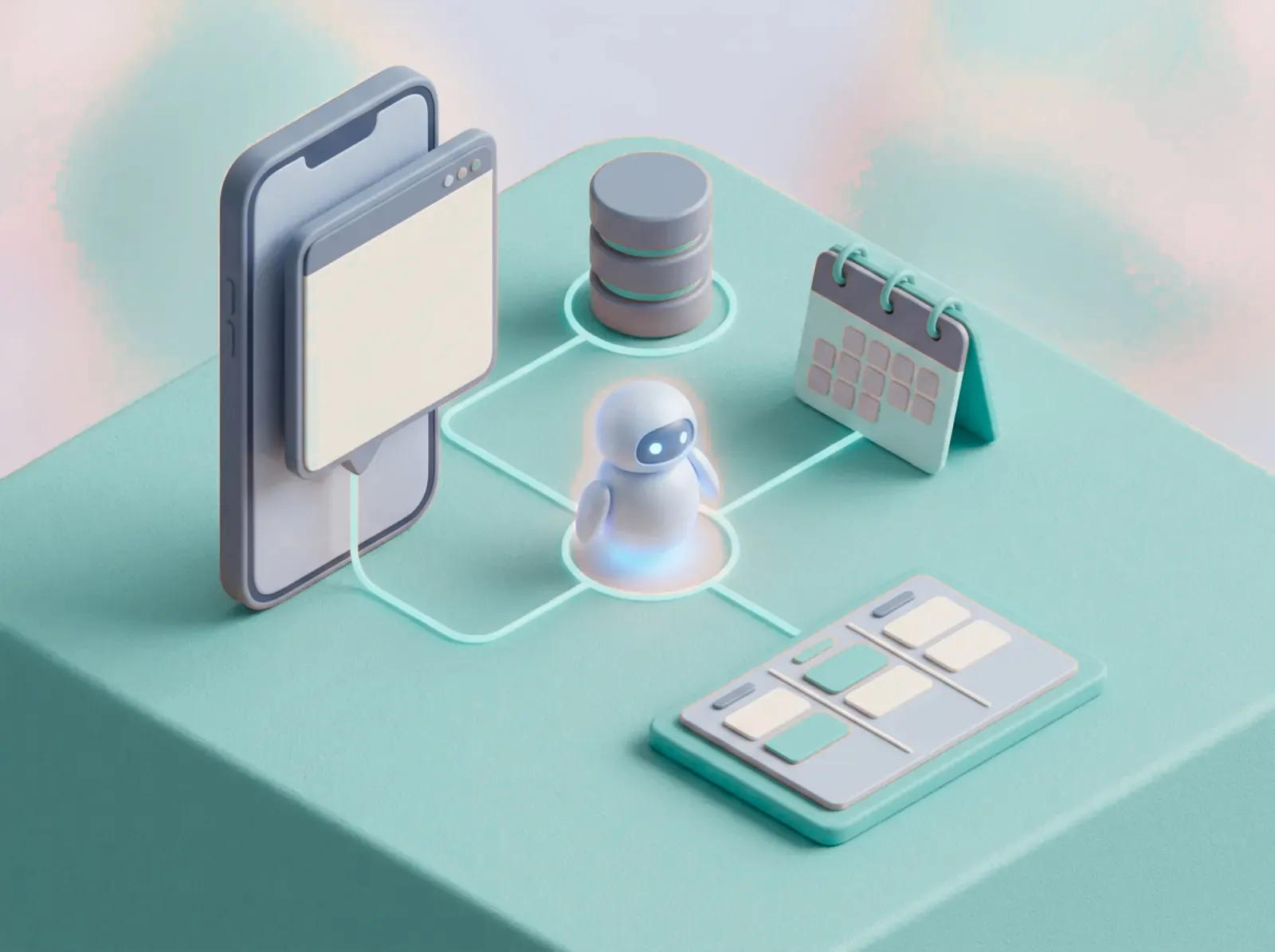
Isometric diagram of how a chatbot works: a messenger window linked to the bot, a database, a calendar and a CRM
The bot pulls stock, prices and order statuses from the store’s systems.

Integrations a store needs

The bot has to know what the website knows: stock levels, prices and order statuses.

Messaging channels

WhatsApp Business Platform, Instagram direct messages, Facebook Messenger and a web chat widget on your site. Telegram can be added as a secondary channel if your audience uses it.

Storefront platform

Shopify, WooCommerce, BigCommerce and Adobe Commerce: catalog, prices and orders.

Inventory and fulfillment

The inventory module of your ERP or tools like ShipStation: stock levels, reservations and pick-and-pack status.

Carriers and tracking

UPS, FedEx, USPS and DHL, or a tracking service such as AfterShip: rate lookups, pickup points and tracking numbers.

Helpdesk and CRM

Gorgias, Zendesk, HubSpot or Klaviyo: orders and conversations in the customer record. More in CRM for ecommerce.

Free review: which chatbot you actually need

Leave your contact — we'll look at your channels and typical requests and tell you what a bot can handle, whether a builder is enough and what it would change. No sales pitch.

Thank you! Request received — we'll get back with a chatbot scenario review within one business day.

How we build a chatbot for an online store

We start from shopper questions and store data, not from button design.

Step 01

Review of inquiries

We read support conversations, frequent questions and the order path, then pick the scenarios that will pay off first.

Step 02

Scenarios and interface

We design the menu, catalog, checkout and replies, and decide where a chat flow is enough and where a link to the web store is better.

Step 03

Integrations

We connect the storefront, inventory, carriers, payment and CRM, and check that stock and statuses match the website.

Step 04

Testing

We run an order from start to finish and check payment, receipts and notifications.

Step 05

Launch and development

We place the chat link on the site, in social profiles and in order packaging, then improve the bot based on the questions it couldn’t answer.

WhatsApp, Instagram or website chat

A chatbot on your website works well for shoppers who are already browsing: product questions, sizing, shipping times. WhatsApp and Instagram reach shoppers where they already message, and they let you follow up on an order after the visit is over. Most stores end up with a bot on two channels sharing one set of scenarios and one customer record.

Messaging platforms have rules we design around. On WhatsApp, a business can reply freely inside a customer-service window after the shopper writes, while proactive messages such as shipping updates or cart reminders go out as pre-approved templates and only to people who opted in. Instagram and Messenger apply similar limits on how long after a shopper’s last message you can reply. We build scenarios so they stay inside these rules.

Consent matters beyond the platforms. Promotional texts and messages need opt-in: in the US, the TCPA and carrier rules apply to SMS, and in the EU and UK, GDPR and ePrivacy rules apply to marketing messages. Return policies and delivery promises also need to be stated clearly in the chat, and in the UK and EU distance-selling rules give buyers cancellation rights. We build these points into the payment and return scenarios.


Chatbot scenarios for different stores

For a clothing and footwear store, the bot helps with fit: a size chart, a pick by measurements, a back-in-stock alert and a simple return request. For a beauty store, it suggests products by skin type and reminds the shopper to reorder when a product should run out. For electronics, it compares models, answers compatibility and warranty questions and shows repair status.

For stores with their own production or handmade goods, the bot takes custom orders: the shopper chooses options, attaches a photo or sketch and gets a quote from the maker. For grocery and farm-delivery stores, it repeats a previous order in a tap and lets the shopper choose a delivery slot.

  • Apparel and footwear: sizes, availability, returns.
  • Beauty: product picks by skin type, reorders.
  • Electronics: comparison, compatibility, warranty.
  • Grocery: reorders and delivery slots.

Checklist: what to prepare for the start

If something is missing, we’ll help you assemble it.

  • The name of your storefront platform and API access or a catalog export.
  • The system that tracks your stock: your ERP, inventory app or the storefront’s own module.
  • Your carriers and a payment provider.
  • A list of the questions shoppers ask most and your return policy.
  • Links to your WhatsApp Business number, Instagram account and other channels.

Who it’s for, and who it isn’t

A good fit if

  • An online store with a steady flow of questions about orders and delivery.
  • A store that’s active on Instagram or WhatsApp and wants to sell straight from the conversation.
  • You have a storefront and inventory system with an API the bot can connect to.
  • You want to win back abandoned carts and repeat buyers.

Not a fit if

  • You sell only on marketplaces such as Amazon and don’t deal with customers directly.
  • A few orders a month: answering by hand is simpler.

FAQ: Chatbot for ecommerce

We quote on request after reviewing the task. It depends on the features, catalog size, number of integrations and the channels you want. A support and order-status bot and a full in-chat shopping flow are very different projects.
Yes, through a connected payment provider: the bot sends a secure checkout link or uses the payment features of the channel where available. The buyer gets a receipt, and the payment status passes to your storefront and CRM.
Yes, if your inventory system or storefront has an API. We connect Shopify, WooCommerce, BigCommerce and common ERP inventory modules so shoppers see current availability.
Website chat suits shoppers who are browsing right now. WhatsApp suits order updates and follow-ups after they leave. Most stores run both from the same scenarios, and we add Instagram or Messenger if your customers write there.
Yes, but only to people who opted in, and within each platform’s messaging rules. We send promotions with consent and segment them by interest so that they don’t annoy subscribers.
Through links and QR codes on your site, in social profiles, in order packaging and on receipts. A discount code on the next order for subscribing also works. Shoppers who start a chat get order updates and offers right in the app.
A support and order-status bot launches faster, while a full shopping flow with payment and inventory integration takes longer. We set timelines after reviewing the task and checking the APIs of your systems.

Tell us about your task — we'll come back with a chatbot scenario

You'll get a review of your inbound conversations, a bot scenario and a clear recommendation: builder or custom. Usually within one day. Free and no obligation.

4 of 6 project slots open this week.

Request received

Thank you! We'll come back with a review of your conversations, a bot scenario and a format recommendation — usually within one business day.

Get an estimate